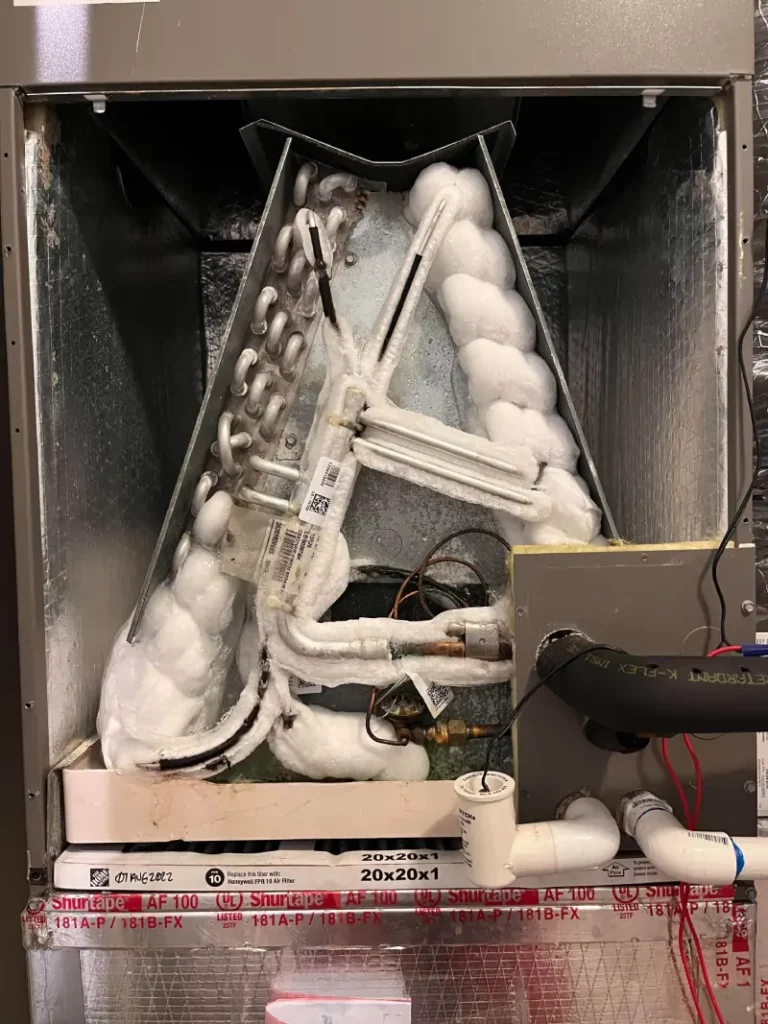
Is Your AC Failing? 5 Warning Signs to Watch For in Littleton, CO
HVAC Compliance • Safety • Installation Quality
Compliance in HVAC: Why Choosing the Right Company Matters More Than Choosing the Lowest Price
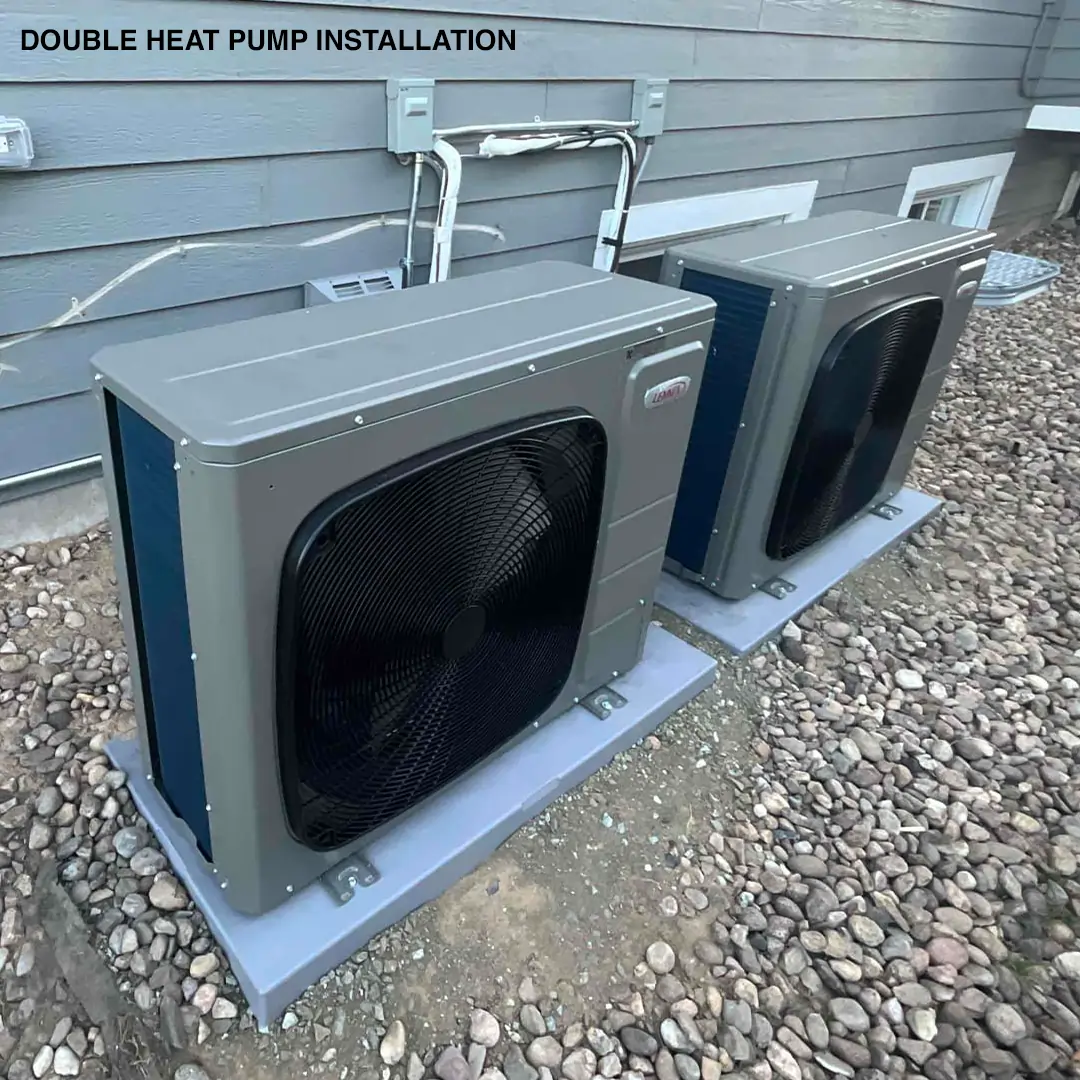
When homeowners shop for a new heating and cooling system, the first question is often, “What’s the price?” But in the HVAC industry, the better question is, “Is the company doing the job correctly, safely, and legally?”
A low price may look attractive upfront, but cutting corners on compliance can create major problems later — from unsafe installations and failed inspections to higher utility bills, shortened equipment life, warranty issues, and expensive repairs.
A professional HVAC company doesn’t just install equipment. They follow proper compliance standards that protect your home, your comfort, your investment, and your family.
What Does “Compliance” Mean in HVAC?
Compliance means following the rules, standards, and best practices required for safe and proper HVAC installation and service. That includes pulling required permits, following local mechanical and electrical codes, properly sizing equipment, meeting manufacturer specifications, ensuring correct airflow and duct systems, following safety requirements, meeting energy-efficiency standards, and completing inspections when required.
Professional companies understand that HVAC is not just about making air hot or cold. It’s about creating a safe, efficient, reliable comfort system that performs correctly for years.
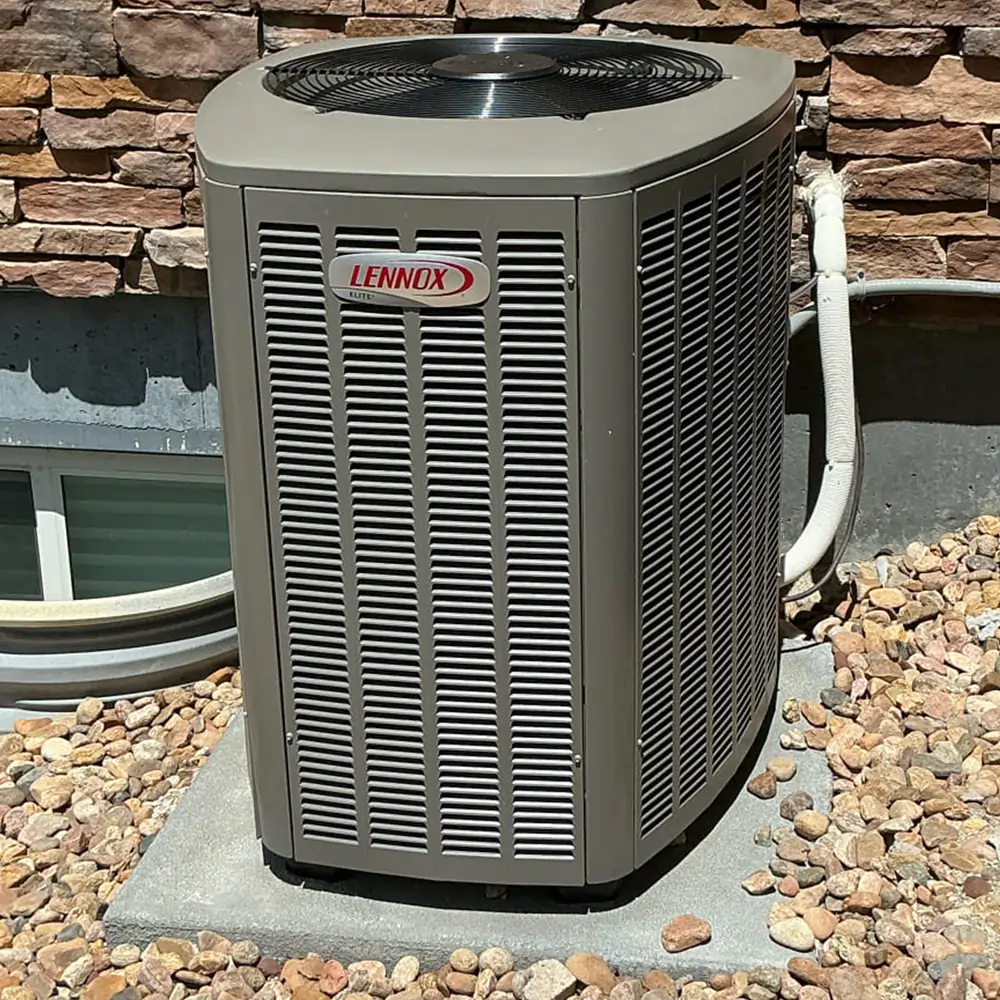
Permits Matter More Than Most Homeowners Realize
One of the biggest signs of a professional HVAC contractor is whether they pull permits when required. Permits are not just paperwork. They exist to help ensure the installation meets safety codes, electrical work is properly completed, gas connections are safe, refrigerant standards are followed, venting systems are correct, and equipment is installed to manufacturer requirements.
When a company skips permits, it often means no third-party inspection, no accountability, increased liability for the homeowner, potential issues during home resale, and risk of insurance complications. A permit protects the homeowner, not just the contractor.
Proper Equipment Selection Is Critical
A compliant HVAC installation starts long before the equipment arrives at the home. Professional companies perform calculations and evaluations to determine correct system size, airflow requirements, static pressure, duct capacity, insulation levels, home orientation and heat load, altitude considerations, and energy-efficiency goals.
Unfortunately, some companies simply replace “same for same” equipment without properly evaluating the home. Oversized equipment can short cycle, create humidity problems, reduce efficiency, and increase wear and tear. Undersized equipment can struggle to maintain temperature, run constantly, increase energy costs, and shorten system lifespan.
The right system is not determined by guesswork or price alone. It is determined through proper engineering and design practices.
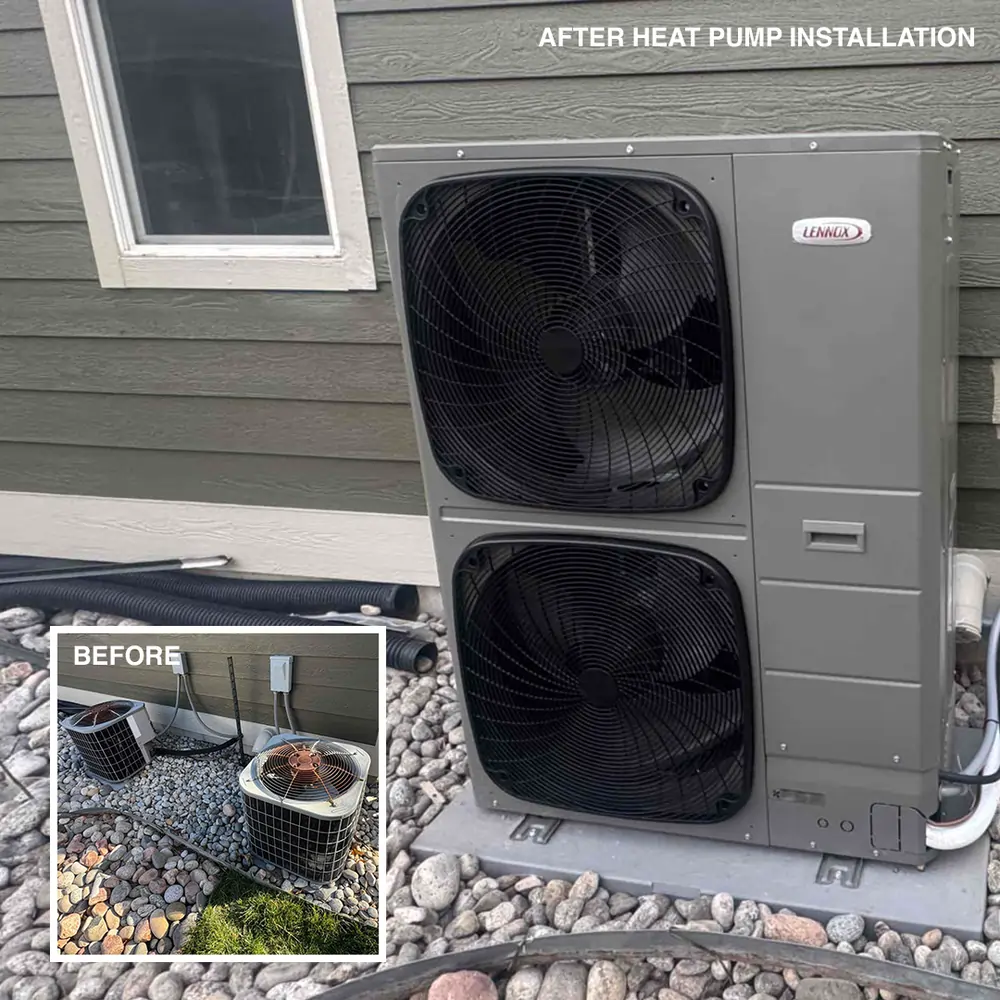
Energy Efficiency Is More Than a Sales Feature
Today’s HVAC systems are more advanced than ever. High-efficiency equipment can significantly reduce energy consumption and improve comfort — but only if installed correctly.
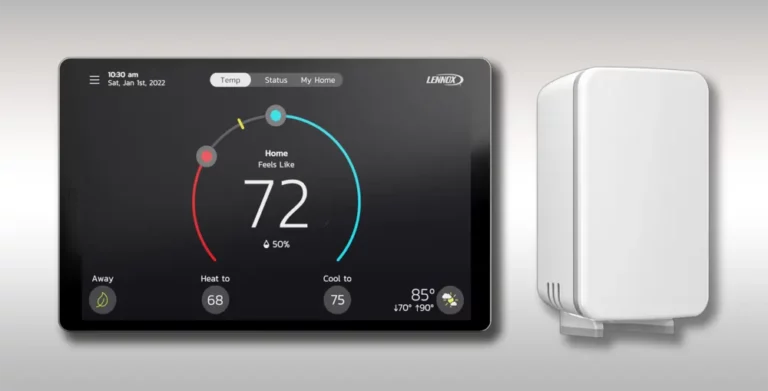
Even premium equipment can perform poorly if airflow is incorrect, refrigerant charge is wrong, duct systems are undersized, electrical components are improperly installed, or thermostat controls are not configured properly.
A professional, compliant installation ensures the system operates at the efficiency level the manufacturer intended. That means lower utility bills, better humidity control, improved indoor comfort, longer equipment life, and fewer breakdowns.
Safety Standards Should Never Be Optional
HVAC systems involve high voltage electricity, natural gas or propane, combustion systems, refrigerant pressures, carbon monoxide risks, and ventilation requirements. Improper installation can create serious safety hazards.
Code compliance exists for a reason. Proper furnace venting helps prevent carbon monoxide issues, correct electrical protection reduces fire risks, proper gas piping supports safe fuel delivery, adequate airflow protects equipment from overheating, and correct refrigerant practices protect system performance and environmental standards.
Professional companies invest heavily in training, licensing, continuing education, insurance, and code knowledge because safety cannot be compromised.
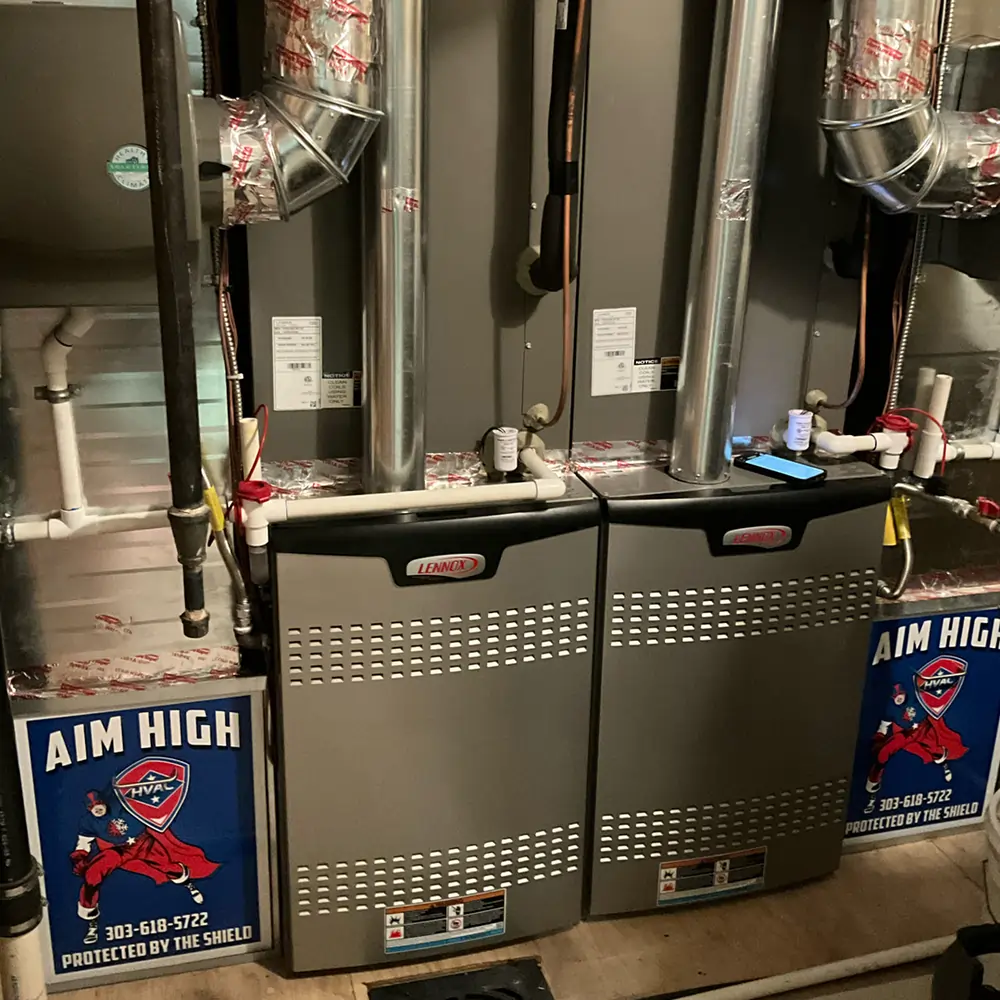
The Cheapest Bid Is Often the Most Expensive Long-Term
Many homeowners discover later that the “cheap” installation came with hidden costs: poor workmanship, higher utility bills, comfort problems, repeated repairs, failed inspections, premature equipment failure, and voided manufacturer warranties.
Quality HVAC companies may not always be the lowest price — because doing the job correctly costs more. Compliance requires skilled technicians, licensing, insurance, permits, training, proper materials, and time spent designing the system correctly.
Those investments create value for the homeowner.
What Homeowners Should Ask Before Hiring an HVAC Company
Before selecting a contractor, homeowners should ask: Will you pull permits if required? Do you perform load calculations? Will you evaluate ductwork and airflow? Are your technicians licensed and trained? Do you follow manufacturer installation standards? Will the installation be inspected? Do you provide documentation and warranties?
A professional company should welcome these questions.
Final Thoughts
HVAC is one of the largest investments homeowners make in their home comfort and energy use. Choosing a contractor based on price alone can lead to costly consequences.
Compliance is not “extra.” It is the foundation of a safe, efficient, and reliable HVAC system.
The best HVAC companies focus on safety, proper design, energy efficiency, code compliance, long-term reliability, and customer protection. Because at the end of the day, homeowners are not just buying equipment — they are investing in the quality, safety, and professionalism behind the installation.
Key Takeaways
- Compliance protects homeowners: Proper permits, codes, inspections, and installation standards help protect safety, comfort, and long-term system performance.
- The lowest price is not always the best value: Cheap installations can lead to failed inspections, higher utility bills, repairs, and warranty issues.
- Proper system design matters: Correct sizing, airflow, duct evaluation, and manufacturer specifications are essential for reliable HVAC performance.
- Safety should never be optional: HVAC work involves electricity, gas, refrigerant, ventilation, and carbon monoxide risks.
- A professional contractor welcomes questions: Homeowners should ask about permits, load calculations, inspections, training, documentation, and warranties before hiring.
Don’t Wait to Act
At the end of the day, automation isn’t about replacing people—it’s about empowering them. And for our customers here in Colorado and beyond, that means more comfort, more reliability, and a better overall experience every step of the way.
Written by Tim Evans, President & Founder of Aim High HVAC
Tim, President/Founder of Aim High HVAC and US Air Force Veteran, brings over four decades of industry experience, having worked at all levels. Whether performing service, installations, or mentoring his team, Tim is dedicated to addressing inquiries and providing personalized solutions.